zoom_in Drag to zoom
Stories of the Enslaved in Connecticut
$0.00 / unit
One of the best kept secrets in local history is that Connecticut was among the largest slave-owning colonies in the late 18th century. More than 1500 enslaved people worked in fields and households throughout the region, including in Middletown. Only recently have local researchers—amateur and professional alike—stepped forward to tell the stories of family members and others from long-ago generations. Five such investigators will share what they have uncovered.
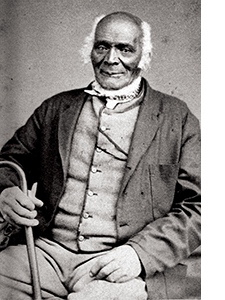
• John Mills, President of Alex Breanne Corporation relates the story of Prince Mortimer of Middletown.
Thursday, Oct 26, 4:30–6:00
• Pat Wilson Pheanious, board chair of the Connecticut Witness Stone project, is the ninth-generation descendant of enslaved persons from Guilford.
Thursday, Nov. 2, 4:30–6:00
• Gwendolyn Quezaire-Presutti is a historian, playwright, actor, and storyteller.
Thursday, Nov. 9, 4:30–6:00
• Kate Rushin is a poet-in-residence and professor at Connecticut College who participated with three other Connecticut poets in an undertaking sponsored by the Witness Stones Project that entailed studying the lives of persons enslaved in Connecticut and giving voice to those lives through poetry.
Thurs., Nov. 16, 7:00–8:30 [Note change in time]
• Tom Schuch will discuss how the farms, fisheries, and forests of New England were the provisioners of the West Indian slave labor camps, aka plantations, through the 'West Indies Trade.' Part of the infamous 'Triangle Trade,' this brought the region an unprecedented prosperity at the expense of millions of kidnapped and enslaved Africans. The presentation will include documented dates, names, numbers, insurrections, etc. that were part of this trade.
Thurs., Nov. 30, 4:30–6:00
Richard Friswell, Moderator
5 sessions $125
Thursdays, Oct. 26, Nov. 2, 9, 30, 4:30–6:00; Nov. 16, 7:00–8:30 at the Wesleyan Wasch Center