zoom_in Drag to zoom
Black Pentecostalism
$125.00 / unit
Black Pentecostalism and 20th-Century U.S. Political Life
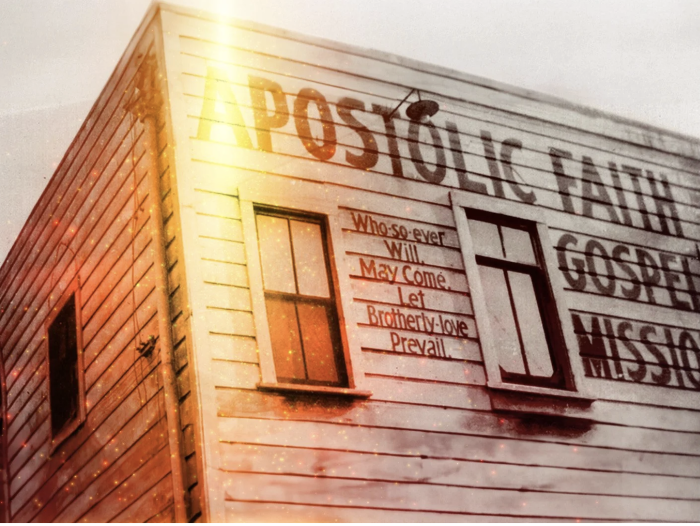
Pentecostalism in the United States is best known as an evangelical, conservative Protestant revival form of Christianity. Academic studies and the news media often portray Pentecostalism as politically and socially closely allied to the religious right and Christian nationalism. However, Pentecostalism can also be understood as a Black social and religious movement, incorporating Black modes of singing, dancing, and preaching rejected by white Pentecostals as not Christian and not civilized. The Azusa Street Revival, one of the most influential manifestations of Black Pentecostalism, featuring Black leadership and a mixed-race congregation, can be seen as a response to what W.E.B. Du Bois in his 1903 book The Souls of Black Folk referred to as “the Negro problem.”
The Negro as a “problem” was a subject of much debate in the late 19th and early 20th centuries. We will examine the process by which Black Pentecostals came in the 20th century to understand their religious identity through important involvements in social action, including pacifism during the great wars; participation in the Civil Rights Movement; and alliance with the Black Power and cultural nationalism movements. By tracing these forms of the Black freedom struggle in the United States, this short course offers a little-known perspective on this religious tradition. The course will include optional short readings and in-class audio-visual clips.
Instructor: Prof. Marlon Millner
4 Thursdays, April 30, May 7, 14, 21, 6:30–8:30 PM